

UT Health San Antonio Collaborative Care
Page detail
SUMMARY – As part of the American Rescue Plan Act (ARPA) Pediatric Collaborative Care Model (CoCM) initiative, the Meadows Institute partnered with UT Health San Antonio to bring integrated mental health care directly into pediatric primary care in San Antonio. UT Health San Antonio launched a pediatric CoCM program in two University Health (UH) pediatric clinics, opening the door to timely, cost-effective care for thousands of children and families across Bexar County, Texas.
Local, state, and national provider-to-patient ratios
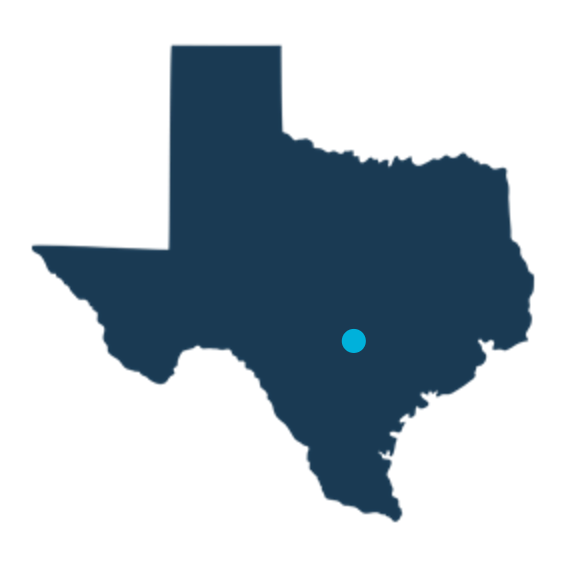
1 to 430
in Bexar County

1 to 640
in Texas

1 to 320
in the United States
Case Study Details
The Collaborative Care program enables us to reach children and families early in the course of stressful and problematic situations and intervene in ways that can prevent progression to more serious problems.”
Steven R. Pliszka, MD Psychiatric Consultant Psychiatry Department Chair UT Health San Antonio
Regional Details
Location: Two clinics in San Antonio, Texas
Local Population: Bexar County, Texas with a population of approximately 2,088,000
Site Details
The two pediatric clinics implementing CoCM are the Robert B. Green Campus and Westgate Medical Center, which serve children and adolescents from birth to age 18. CoCM services are available for patients ages 6 and older, with 19 UT Health San Antonio providers, including residents, actively referring patients into the program.
Implementation Support
Through the Texas Child Mental Health Care Consortium’s ARPA initiative, UT Health San Antonio received funding in the fall of 2022 to launch a pediatric CoCM program aimed at early identification and treatment of depression, anxiety, and related mental health conditions in children.
To support this effort, the Meadows Institute partnered with UT Health San Antonio and UH to implement CoCM. This collaboration included guidance on billing and clinical workflows; technical assistance for systematic case reviews; regular implementation check-ins; and coordination among pediatric primary care, IT, finance, and clinical teams to ensure a smooth rollout and lasting impact.
Program Strengths
UT Health San Antonio joined the ARPA initiative with universal behavioral health screening already established and a skilled team experienced with integrated behavioral health. Staff worked together closely on CoCM implementation and facilitation, ensuring coordinated efforts across departments. Another key feature of UT Health San Antonio’s program is its use of Power BI, a business analytics platform that transforms clinical data into actionable insights to drive data-informed decisions. Beyond analytics, Power BI functions as a patient registry, tracking treatment progress, referral patterns, and engagement trends to support continuous quality improvement and personalized patient care. Bilingual behavioral health care managers (BHCMs) are an integral part of UT Health San Antonio’s team, enhancing access for patients and their families.
Patient Care
Pediatric patients are screened annually for behavioral health concerns during medical visits using validated tools such as the PHQ-9, GAD-7, and Vanderbilt screeners. Those with elevated scores or patients who report behavioral health needs are referred to the CoCM program by their primary care provider (PCP) and offered enrollment with no waitlist. Each clinic is staffed with a master’s level BHCM who works closely with patients and their families to facilitate enrollment and build therapeutic relationships. UT Health San Antonio BHCMs manage large caseloads often exceeding 100 patients, while providing timely, evidence-based care to patients engaging in treatment.
Automated Billing
UT Health San Antonio is collaborating with UH to develop an automated billing system designed to streamline billing workflows and accelerate reimbursement timelines. This system will automatically generate monthly charges based on the time BHCMs spend with patients and on clinical activities that support a patient’s care. Patients are billed once per month for CoCM services, regardless of the number of provider interactions. Importantly, billing occurs under the medical insurance benefit, even when behavioral health diagnoses are present. This automated system is expected to improve operational efficiency and strengthen program sustainability.
Success & Sustainability
UT Health San Antonio and UH have successfully implemented a pediatric CoCM program, delivering timely, evidence-based mental health care to a high volume of patients, and supporting meaningful clinical improvements over time. To sustain this momentum, ongoing engagement from PCPs and targeted strategies to reduce patient no-shows will be critical. With continued investment and ongoing refinement, the program is well-positioned to transform access to high-quality pediatric mental health care throughout Bexar County, Texas.
For information on Collaborative Care technical assistance and implementation view our mmhpi.org/cocm resources.
1County Health Rankings & Roadmaps. (2024) Mental Health Providers. County Health Rankings. https://www.countyhealthrankings.org/health-data/texas/randall
2Archer, J., Bower, P., Gilbody, S., Lovell, K., Richards, D., Gask, L., Dickens, C., & Coventry, P. (2012). Collaborative care for depression and anxiety problems. Cochrane Database of Systematic Reviews, 10. https://www.cochranelibrary.com/cdsr/doi/10.1002/14651858.CD006525.pub2/full