Together, the Meadows Institute and TJJD are advancing a comprehensive, data-driven effort to strengthen Texas’ Juvenile Justice Continuum of Care (CoC) — the full range of prevention, diversion, intervention, treatment, and reentry supports that help young people thrive and avoid deeper system involvement.
This work brings together state and local agencies, juvenile probation departments, courts, schools, behavioral health providers, community organizations, youth, and families to identify what is working, where gaps remain, and how Texas can build a more effective youth justice system.
What Is the Juvenile Justice Continuum of Care?
The Juvenile Justice Continuum of Care (CoC) is a framework for organizing services and decision points across the youth justice system, from prevention and early intervention through reentry and long-term stability.
Rather than relying on detention or formal court involvement as default responses, a strong continuum emphasizes early community-based supports, diversion from formal justice involvement, family-centered and culturally responsive services, cross-system coordination, safe alternatives to detention, and successful reintegration into schools and communities.
The Meadows Institute uses this framework to map assets, identify gaps, and develop practical implementation strategies at the state, regional, and county levels.
Why This Work Matters
Texas has made significant progress in reducing youth incarceration. However, many young people continue to enter or remain in the justice system due to gaps in community-based supports rather than public safety risk.
A strong Continuum of Care helps reduce unnecessary justice involvement, improve access to mental health and substance use services, strengthen families and communities, and use public resources more effectively.
Meadows Institute’s Continuum of Care work provides a shared roadmap for aligning policy, funding, and practice around these goals.
Explore the Reports
View All CoC Reports
About the Continuum of Care Reports
Statewide Continuum of Care Report
The statewide report provides a comprehensive analysis of Texas’ juvenile justice system.
Key components include:
- Statewide trends and system pressures
- Cross-cutting challenges affecting urban, suburban, and rural communities
- Youth and caregiver perspectives
- Policy, funding, and practice recommendations
- Opportunities for statewide coordination and sustainability
Seven Regional Continuum of Care Reports
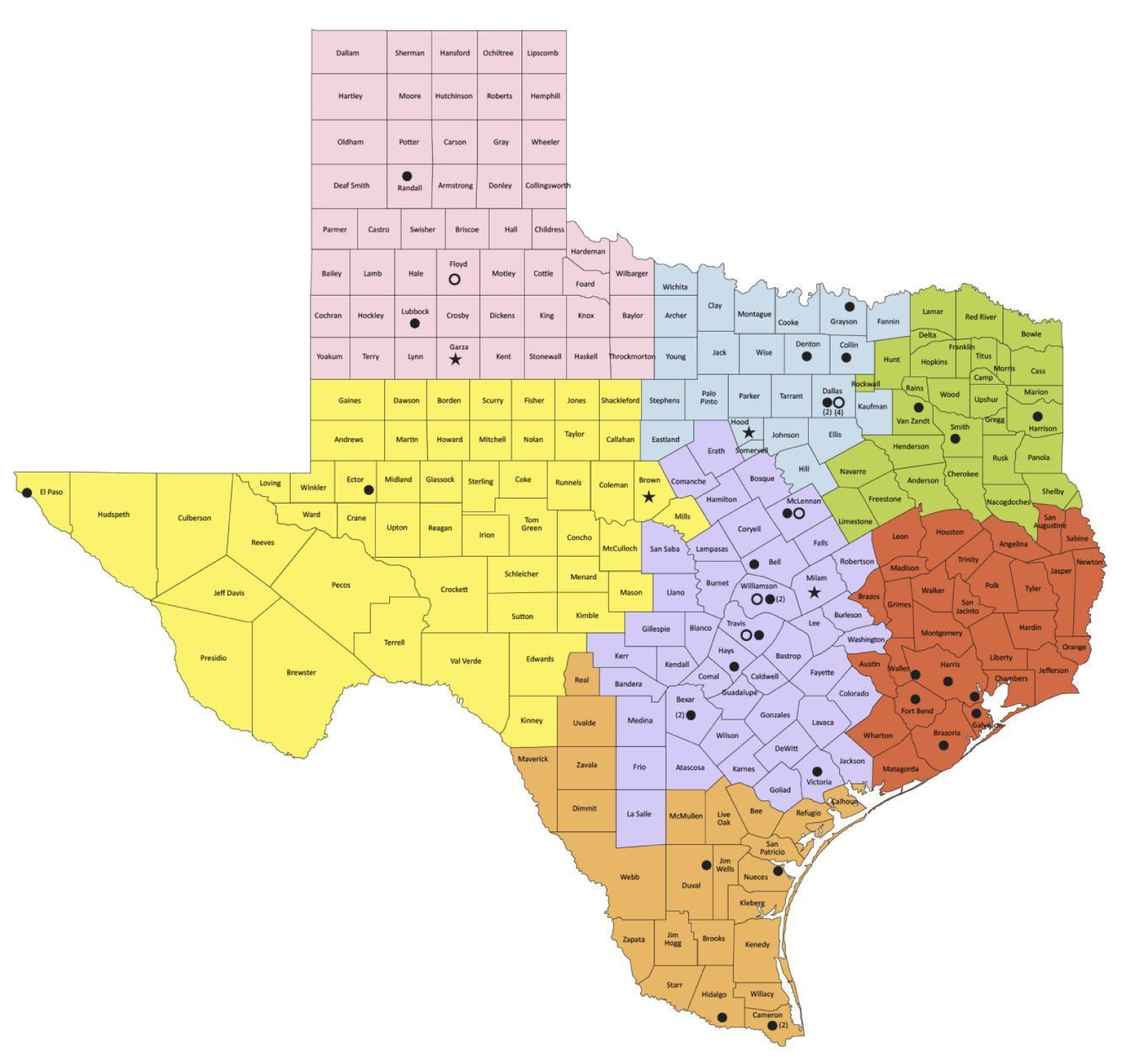
These reports provide in-depth analyses grounded in local data, site visits, stakeholder meetings, and system mapping sessions in each of TJJD’s seven regions. Each report highlights local assets, service gaps, regional collaboration opportunities, promising practices, and recommendations aligned with the statewide CoC framework.
Regions include: North Texas, Central Texas, South Texas, Southeast Texas, Northeast Texas, West Texas, and Texas Panhandle
How This Work Was Developed
The Meadows Institute’s Continuum of Care work is grounded in rigorous research and real-world practice, including:
- Juvenile justice data analysis
- Policy and statutory review
- Regional site visits across Texas
- Sequential Intercept Model (SIM) mapping sessions
- National best-practice research
- Youth and caregiver listening sessions led by the Texas Network of Youth Services Cross-sector key informan interviews and focus groups