

Transforming Mental Health Care in the Paso del Norte Region
Detail page
A Conversation with Enrique Mata, Executive Director of the Meadows Institute’s Paso del Norte Center
By Rebecca Tharp | June 6, 2025
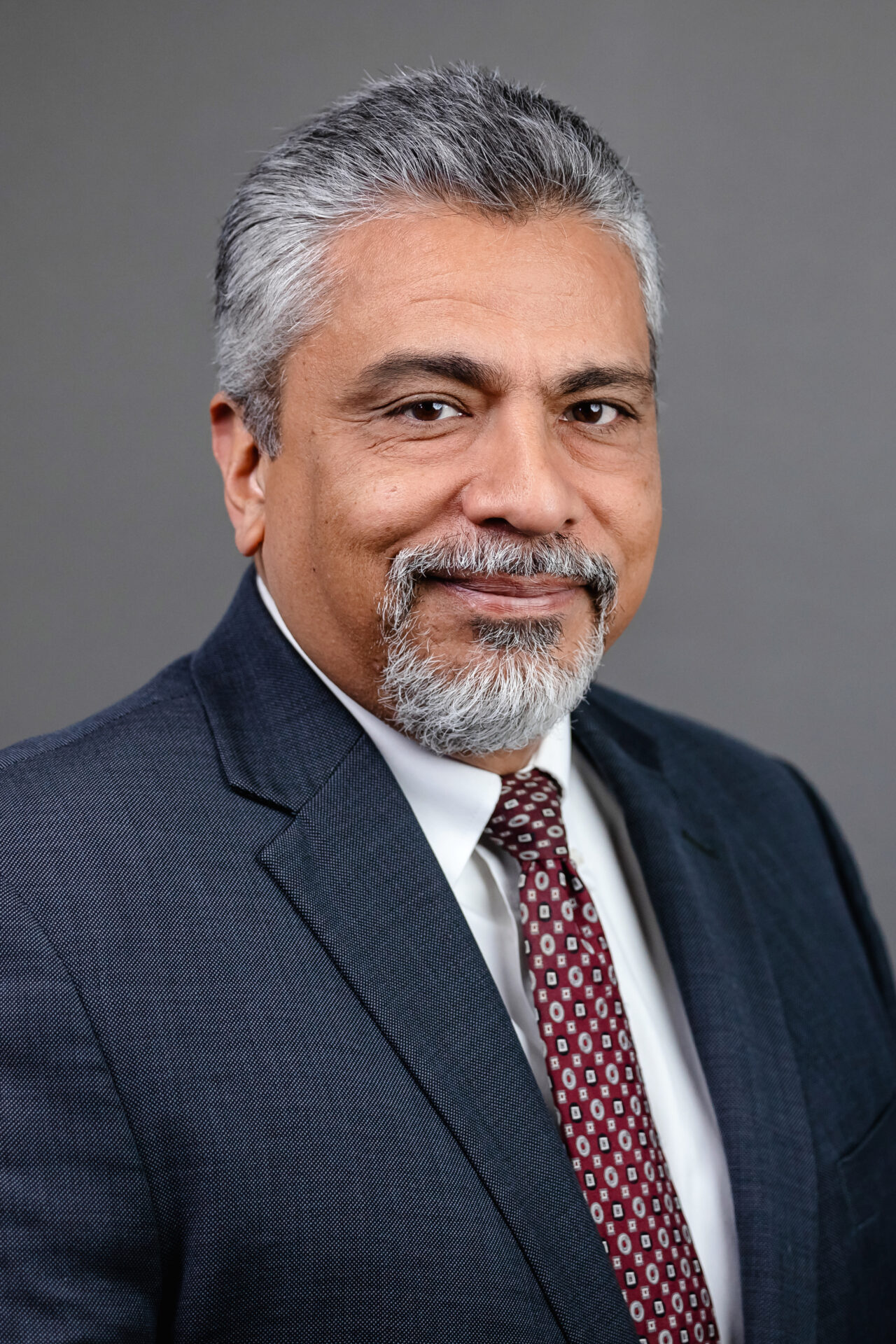 Enrique Mata, executive director of the Paso del Norte Center at the Meadows Mental Health Policy Institute
In 2021, the Meadows Mental Health Policy Institute opened its second regional center, the Paso del Norte Center, in El Paso. Established by a grant from the Paso del Norte Health Foundation, the center plays a leading role in providing policy, programmatic, and technical support to improve the long-term health and wellbeing of people in the region.
Enrique Mata, the Paso del Norte Center’s executive director, has led the center’s work since its inception. A longtime mental health advocate and nurse, Mata was recently reappointed by Texas Governor Greg Abbott to serve on the Texas Department of Family and Protective Services Council (DFPS) to assist the DFPS commissioner in developing rules and policies for the agency.
Mata discussed his role at the Meadows Institute and how the Paso del Norte Center is improving the lives of the people in the region.
You were part of the Meadows Institute before there was an actual Meadows Institute. How did you begin working here and how has the organization changed?
It’s changed quite a bit. Before working at the Meadows Institute, I worked with the Paso del Norte Health Foundation. The foundation was formed in 1995, but it wasn’t until 2011 when the organization first started to look at mental health in a very serious way. At the same time, the Meadows Foundation was looking at the same topic at the state level, and both foundations brought in Andy Keller, the current president and CEO of the Meadows Institute, to start working on the concept of a behavioral health system assessment. The idea was to take the best possible system from around the world, compare our community with that, and identify the areas where we could engage our local leaders to collaborate for lasting improvements. Andy really took us forward and gave us a solid roadmap to follow that initiated our efforts here in the region.
I can’t tell you how much of an honor it is to work for the Meadows Institute now. We are making meaningful improvements that are going to change the way people think about mental health.
The Paso del Norte Center’s work has expanded into several counties in Southern New Mexico, as well as Mexico. Can you talk a little bit about what makes this border community unique? What initiatives have you seen success with working in the region?
If you drew a circle around the Paso del Norte region, which includes three counties in southern New Mexico, El Paso and Hudspeth counties in Texas, and the city of Juárez, Mexico, you wouldn’t find another major city for about 200 miles. We are an isolated community. The collaborative work of the Meadows Institute and Paso del Norte community partners like the Paso del Norte Health Foundation has cultivated collaborations across the region. For example, in Juárez, there is a consortium of partners that mirrors the El Paso Behavioral Health Consortium that was established as a key recommendation from the initial Behavioral Health System Assessment for El Paso. In Juárez, the group known as ROTMENAS is making progress with one of their priorities to prevent suicide. We have seen a lot of success from convening partners and informing their efforts with data and community input. We hope that it will continue for years to come, leading to many long-term improvements in the systems of care.
Congratulations on your reappointment to the Texas Department of Family and Protective Services Council. What has been most meaningful for you regarding your work with the agency?
It’s been an honor to be asked to serve on the Family and Protective Services Council. I was first elected in 2021 during the pandemic. This opportunity to provide input for the Child Protective Services and Family Services has opened doors for us to be able to raise awareness of El Paso’s needs through the Council. It has also allowed us to share successes, so folks know what our community is doing to help improve systems beyond just El Paso.
In my second term as a member of the Council, I hope to continue to help inform state policies and practices that create meaningful and lasting improvements.
There has been conversation lately around the idea that we are past the “awareness” phase of mental health issues in our society. What are some ways the Paso del Norte Center is moving beyond awareness to create transformative change in the region?
When the Paso del Norte Center was formed, it was a great alliance between the local community and the Meadows Institute. Being able to be a link for some of these major research findings and legislative changes that the Meadows Institute provides – taking that to the community and letting the community use it to make long-lasting improvements in our systems has been such a benefit. From the time this alliance started, we have worked closely with our local community to develop things like behavioral health system assessments, trauma and grief support, technical support, and collaborative care tech support. It has made a real difference in people’s lives.
How do local health systems play a role in that change?
It’s not as simple as just having meetings in the community. We call what we do “cultivating collaboration.” To cultivate something, you need a good formula for success. It is not only about the money or resources or staff capacity. You also need the ability for organizations and community leaders to develop a level of trust with each other. It can take years to build trust. In our community, we have overcome many challenges and made great strides to improve care options. There will always be tragedies in the community because we’re lacking certain kinds of services and staffing, but we have stopped blaming each other. Instead, we look at the issue for what it is, and we come together to implement effective solutions.
One of the Paso del Norte Center’s priorities is to promote and provide support for school districts, educational resource centers, and care providers. Can you talk a little bit about the work your center is doing with schools in the region?
When Texas Child Health Access Through Telemedicine (TCHATT) and the Child Psychiatry Access Network (CPAN) came to the Texas Mental Health Consortium at the state level, El Paso was one of the first communities to implement the programs. By utilizing the trusted relationships already in place, team members were able to catalyze agreements with school districts to help us get the TCHATT model implemented in schools. This implementation takes time. Not only does it need to be approved by the administration, but the school staff also must understand how to support the program. Local community leaders, including school district superintendents, doctors, and mental health partners all played a role in getting this program set up for success.
We also work with our local Region 19 Education Service Center to help improve trauma-informed efforts across the school districts. We improve these efforts by utilizing the partners in the region, who received training from the Meadows Institute’s TAG Center, to focus on early interventions to address adverse childhood experiences in real time, within each school. This is an example of how the work of the Meadows Institute often intersects to offer cross-cutting solutions to a community.
What are some ways your center utilizes local communities, foundations, and partnerships to push this work forward?
We’ve collaborated with our local mental health authority, Emergence Health Network, to bring in resources from the state to implement key programs informed by the data we provide. Similarly, we work closely with key leaders in both the county and city of El Paso. The Paso del Norte Health Foundation is our major funder, and remains a strong supporter of mental health system improvements. Their contributions and commitment help use data and community input to bring great model programs into the region.
The Paso del Norte Center also has a Leadership Cabinet of Champions, including Meadows Institute board members, that help inform us on the needs they see in the community at large.
What is your biggest goal with the Paso del Norte Center in the next few years?
I have a lot of big goals! The concept of a regional center, which we credit Andy Keller for, is the idea that these centers share the voice of the community with Meadows Institute teams so that we can maximize the policy and practice changes that we work for on the legislative level. I’d like to see the Paso del Norte Center and other regional centers become anchors in the community. Our overarching goal is to share the successes we are seeing in the Paso del Norte region to create lasting systemic changes so all people in Texas, the nation, and the world can obtain the health care they need.